
.png)


.png)
.png)





%20(1).png)
Hormone Health for Women: Natural Ways to Support Balance and Feel Your Best

Why Hormone Health Matters for Women
Hormones play a central role in how women feel every day—from energy levels and mood to metabolism, sleep, and overall well-being.
Throughout life, hormone levels naturally fluctuate due to factors like stress, aging, and major life transitions such as perimenopause and menopause. When these shifts become imbalanced, they can lead to symptoms that affect daily life.
The good news is that there are natural ways to support hormone balance—and additional options when needed.
Common Signs of Hormonal Imbalance
Hormonal changes can show up in a variety of ways. Some of the most common symptoms include:
- Low energy or persistent fatigue
- Mood swings, irritability, or anxiety
- Sleep disturbances
- Weight changes or difficulty maintaining weight
- Brain fog or difficulty concentrating
- Hot flashes or night sweats
Recognizing these signs early can help you take proactive steps toward balance.
1. Prioritize Sleep and Recovery
Sleep is one of the most important factors in regulating hormones. Poor sleep can disrupt cortisol, estrogen, and progesterone levels—leading to increased fatigue and mood changes.
Tips for better sleep:
- Aim for 7–9 hours per night
- Keep a consistent sleep schedule
- Create a calm, screen-free bedtime routine
- Limit caffeine later in the day
Quality sleep supports both physical and hormonal recovery.
2. Support Hormones Through Nutrition
Balanced nutrition plays a key role in hormone regulation.
Focus on:
- Healthy fats to support hormone production
- Fiber-rich foods to help regulate estrogen levels
- Protein for sustained energy and metabolic support
Simple habits:
- Eat whole, unprocessed foods
- Stay hydrated
- Limit added sugars and highly processed meals
A balanced diet helps stabilize energy and supports long-term hormone health.
3. Manage Stress and Cortisol Levels
Chronic stress can disrupt hormonal balance by increasing cortisol, which may affect other hormones like estrogen and progesterone.
Ways to reduce stress:
- Daily movement or light exercise
- Time outdoors or sunlight exposure
- Mindfulness, breathing, or relaxation practices
- Setting boundaries and prioritizing downtime
Managing stress is one of the most effective ways to support overall hormone balance.
4. Stay Active with the Right Type of Exercise
Regular movement supports metabolism, mood, and hormonal balance—but balance is key.
Best practices:
- Incorporate strength training 2–4 times per week
- Add light cardio like walking or cycling
- Avoid excessive high-intensity workouts that can increase stress
Consistent, moderate exercise helps support stable hormones over time.
5. Maintain a Healthy Weight
Body composition can influence hormone levels, particularly estrogen.
Maintaining a healthy weight through balanced nutrition and regular activity can help support hormonal stability and reduce symptoms.
6. Support Gut Health
Gut health plays an important role in hormone regulation, particularly in how the body processes and eliminates hormones like estrogen.
Support gut health by:
- Eating fiber-rich foods
- Including fermented foods when possible
- Staying hydrated
A healthy gut contributes to better overall balance.
7. Get Enough Vitamin D and Key Nutrients
Vitamin D and other micronutrients play a role in hormone regulation.
Tips:
- Get regular sunlight exposure
- Consider supplementation if levels are low
- Ensure adequate intake of essential vitamins and minerals
When to Consider Hormone Replacement Therapy (HRT)
While natural approaches can be highly effective, some women may continue to experience symptoms due to hormonal changes related to perimenopause or menopause.
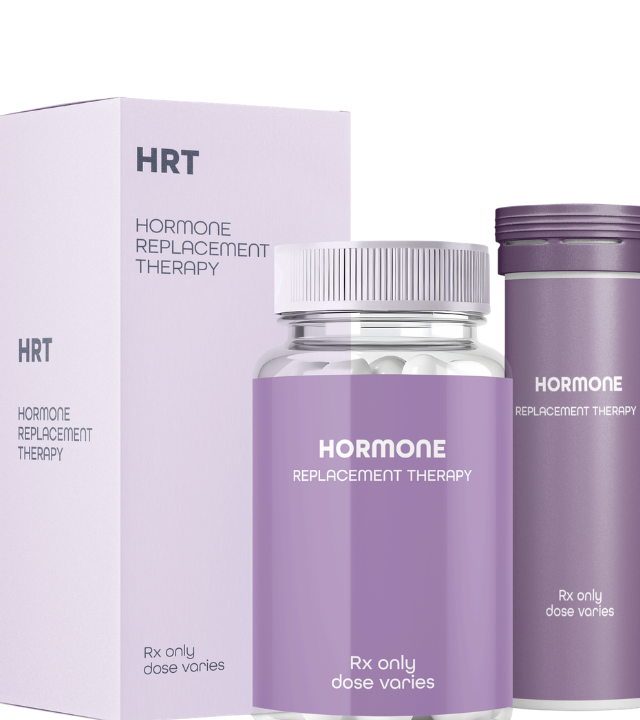
In these cases, Hormone Replacement Therapy (HRT) may be an option to help restore balance under medical supervision.
HRT is designed to support hormone levels and may help reduce symptoms such as:
- Hot flashes and night sweats
- Mood changes
- Sleep disruptions
- Low energy
A personalized approach is key to determining whether HRT is appropriate.
Final Thoughts
Hormonal balance is not about perfection—it’s about consistency. Small, sustainable lifestyle changes can have a significant impact on how you feel over time.
By prioritizing sleep, nutrition, stress management, and movement, you can support your body naturally—while also understanding when additional support may be helpful.
A Simple Next Step
If you’re experiencing ongoing symptoms and want to better understand your hormone health, a consultation can help clarify your options.
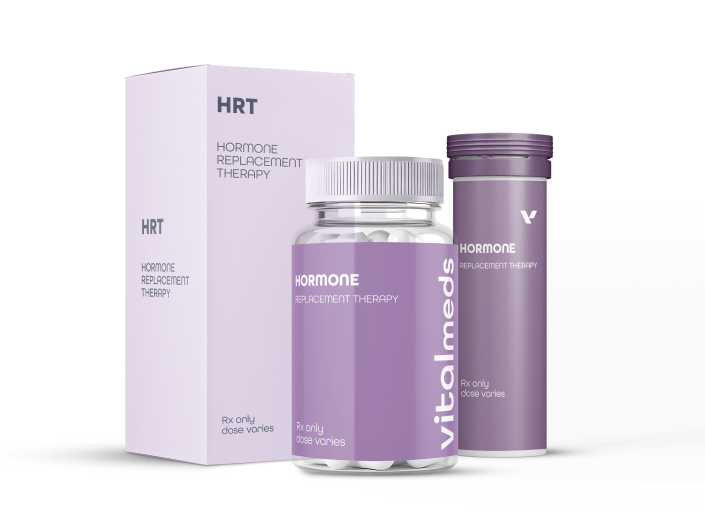
VitalMeds offers a convenient way to connect with licensed providers and explore personalized care—privately and on your schedule.
Disclaimer
This article is for informational purposes only and is not a substitute for professional medical advice. Always consult a licensed healthcare provider before starting any new medication.
.png)
.png)