
.png)


.png)
.png)




%20(1).png)
Safety Information
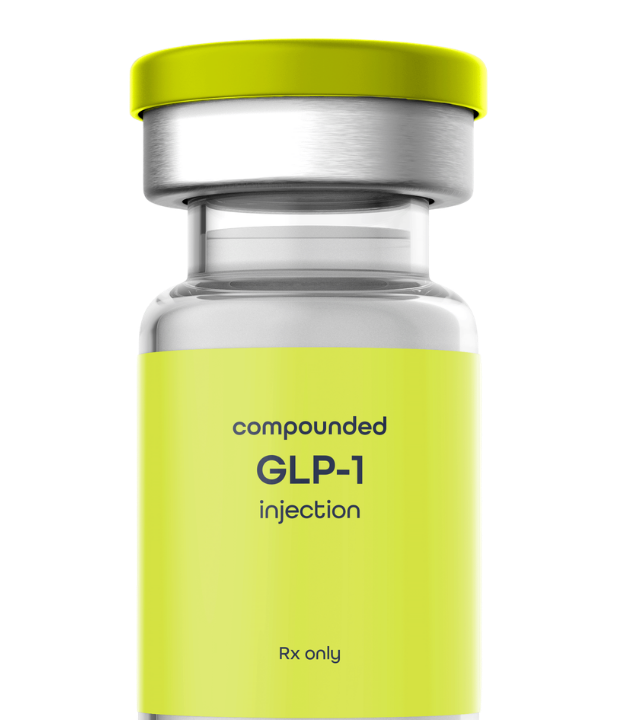
Compounded Semaglutide + B12
Compounded medications may be prescribed by physicians but have not been FDA regulated for safety, effectiveness, or quality. FDA-approved medicines containing semaglutide are available.
⚠ WARNING — Contact your doctor ASAP and seek in-person care immediately if a side effect becomes problematic or you experience any of the following:
- Severe nausea and/or vomiting resulting in dehydration — it is important to stay well hydrated and drink plenty of fluids while on this medication.
- Kidney problems/kidney failure — vomiting, nausea, and diarrhea can cause dehydration and kidney issues, and may worsen pre-existing kidney conditions; may sometimes lead to the need for hemodialysis.
- Thyroid C-Cell Tumor: Trouble swallowing, hoarseness, a lump or swelling in your neck, or shortness of breath (see Black Box Warning below).
- Pancreatitis: Severe pain in your abdomen or back that will not go away.
- Acute gallbladder disease: Pain in the middle or right upper stomach, fever, yellowing of the whites of your eyes or skin, nausea/vomiting. If gallstones or inflammation of the gallbladder is suspected, further studies are needed.
- Hepatitis/Elevated liver enzymes/Jaundice.
- Diabetic retinopathy complications: Changes in vision in those with type II diabetes; vision problems may worsen in those with a history of diabetic retinopathy.
- Severe gastrointestinal disease: Do not use if you have a history of severe gastrointestinal disease.
- Signs of low blood sugar (e.g., dizziness, weakness, shakiness, jitteriness, headache, anxiety/mood changes, rapid heartbeat, confusion, slurred speech, sweating, or lightheadedness). While rare with GLP-1s, seek in-person care immediately if these occur. Try consuming liquid or food containing sugar (15–20 grams) — juice, regular soda, or hard candies — to raise blood sugar quickly. If also taking insulin or an insulin secretagogue (e.g., sulfonylureas such as glipizide, glimepiride, or glyburide), discuss possible dose adjustments with your provider.
- Increasing heart rate.
- Worsening depression, behavior changes, or suicidality.
Never share semaglutide with other people.
Drug Interactions
As with other medications, compounded semaglutide can interact with alcohol and certain prescription, non-prescription medications, and herbal products. The risk of hypoglycemia is increased when combined with insulin or insulin secretagogues such as sulfonylureas. Compounded semaglutide delays gastric emptying and may impact the absorption of oral medications. If you are on thyroid hormone medication, review the timing with your prescribing doctor before starting semaglutide, as adjustments may be needed. Drug levels of medications with narrow therapeutic windows (e.g., warfarin) should be monitored closely.
Please consult the pharmaceutical packaging for a full list of side effects, warnings, interactions, and additional information.
To report suspected adverse reactions to compounded semaglutide, contact the FDA at 1-800-FDA-1088 or visit www.fda.gov/medwatch.In case of emergencies, call 911 or go to the nearest emergency room.
Black Box Warning
GLP-1s are contraindicated in individuals with a history of medullary thyroid carcinoma (MTC), a family history of MTC, or in patients with Multiple Endocrine Neoplasia syndrome type 2 (MEN 2). Do not take if you have ever had thyroid cancer. In studies with rodents, GLP-1s caused thyroid tumors, including thyroid cancer; it is not known if they will cause thyroid tumors or cancer in humans.
Notify your doctor ASAP if you develop: trouble swallowing, hoarseness, a lump or swelling in your neck, or shortness of breath.
If you experience a medical emergency, call 911 or go to the nearest emergency room.
Tell your healthcare provider about your medical history prior to taking semaglutide. Avoid alcohol while taking this medication. If you're taking diabetes medications, discuss with your prescribing doctor before starting semaglutide, as your diabetes medications may need to be adjusted as you lose weight.
Use adequate contraception while taking this medication. Do not take if pregnant, trying to get pregnant, or breastfeeding. If you plan to become pregnant, stop this medication at least 2 months before trying. This medication may cause fetal harm.
Notify your doctor if you have kidney, liver, or pancreas problems. Stop using semaglutide and call your healthcare provider immediately if you have severe stomach or abdominal pain that will not go away, with or without vomiting.
Stop using semaglutide and get medical help right away if you have any symptoms of a serious allergic reaction, including swelling of your face, lips, tongue, or throat; problems breathing or swallowing; severe rash or itching; fainting or feeling dizzy; or very rapid heartbeat. Serious hypersensitivity reactions (e.g., anaphylaxis and angioedema) have been reported. Discontinue semaglutide if suspected and promptly seek medical advice.
The above statements have not been evaluated by the Food and Drug Administration. This product is not intended to diagnose, treat, cure, or prevent any disease.
Compounded Tirzepatide
Compounded medications may be prescribed by physicians but have not been FDA regulated for safety, effectiveness, or quality. FDA-approved medicines containing tirzepatide are available.
⚠ WARNING
Compounded tirzepatide usage has been associated with the potential development of thyroid tumors, including thyroid cancer. Watch for symptoms such as neck lumps or swelling, hoarseness, difficulty swallowing, or breathlessness. Should any of these symptoms arise, inform your healthcare provider promptly.
Avoid using compounded tirzepatide if you or any family members have a history of medullary thyroid carcinoma (MTC), or if you have been diagnosed with Multiple Endocrine Neoplasia syndrome type 2 (MEN 2), or have previously experienced a severe allergic reaction to tirzepatide or any of its components.
Serious Side Effects
- Gastrointestinal Issues: Reports indicate the possibility of severe stomach problems. Notify your healthcare provider if you experience persistent or severe stomach discomfort.
- Kidney Complications: Diarrhea, nausea, and vomiting may lead to dehydration, potentially resulting in kidney problems. Adequate fluid intake is crucial.
- Gallbladder Concerns: Seek immediate medical attention if you experience upper abdominal pain, fever, jaundice, or changes in stool color.
- Pancreatitis: Discontinue use and contact your healthcare provider if you experience persistent abdominal pain, with or without vomiting.
- Allergic Reactions: Cease use and seek urgent medical assistance if you develop facial swelling, breathing difficulties, rash, or rapid heartbeat.
- Hypoglycemia: Risk increases when using tirzepatide alongside other blood sugar–lowering medications. Symptoms include dizziness, sweating, confusion, and rapid heartbeat.
- Vision Changes: Notify your healthcare provider of any alterations in vision.
- Depression or Suicidal Thoughts: Promptly report any changes in mood or mental state to your healthcare provider.
Common Side Effects
- Nausea
- Diarrhea
- Vomiting
- Constipation
- Abdominal pain
- Indigestion
- Injection site reactions
- Fatigue
- Allergic reactions
- Belching
- Hair loss
- Heartburn
These side effects are not exhaustive. Discuss any persistent or bothersome side effects with your healthcare provider.
Drug Interactions
As with other medications, compounded tirzepatide can interact with alcohol and certain prescription, non-prescription medications, and herbal products. The risk of hypoglycemia is increased when combined with insulin or insulin secretagogues such as sulfonylureas. Compounded tirzepatide delays gastric emptying and may impact the absorption of oral medications. If you are on thyroid hormone medication, review the timing with your prescribing doctor before starting tirzepatide. Drug levels of medications with narrow therapeutic windows (e.g., warfarin) should be monitored closely.
Tirzepatide may alter the efficacy of birth control pills. Talk with your doctor before starting tirzepatide if you are on birth control. Your healthcare provider may recommend another type of birth control for 4 weeks after you start tirzepatide and for 4 weeks after each dose increase.
To report suspected adverse reactions to compounded tirzepatide, contact the FDA at 1-800-FDA-1088 or visit www.fda.gov/medwatch.In case of emergencies, call 911 or go to the nearest emergency room.
The above statements have not been evaluated by the Food and Drug Administration. This product is not intended to diagnose, treat, cure, or prevent any disease.
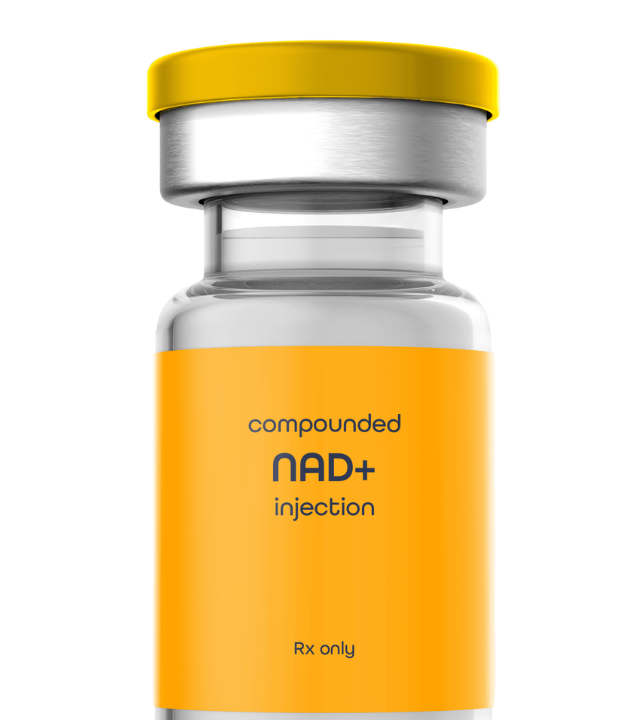
NAD+ Injection — Important Safety Information
1. Introduction
Nicotinamide Adenine Dinucleotide (NAD+) is a coenzyme found in all living cells, involved in critical metabolic processes. NAD+ injections are sometimes used for various wellness purposes. Please note that NAD+ injections may not be evaluated or approved by the U.S. Food and Drug Administration (FDA) for safety, effectiveness, or quality. If you have any questions about NAD+ therapy, consult a qualified healthcare professional.
2. Purpose & Benefits
- NAD+ may be administered for potential support of energy metabolism, cellular repair, or other wellness goals.
- This information does not constitute medical advice regarding indications or dosage and is provided for educational purposes only.
3. Contraindications
You should not receive NAD+ injections if you:
- Have a known allergy or hypersensitivity to NAD+ or any of the injection components.
- Are pregnant, planning to become pregnant, or breastfeeding, unless specifically advised by your healthcare provider.
- Have severe or unstable medical conditions (e.g., uncontrolled diabetes, end-stage renal disease, significant heart or liver disease) without first consulting a physician.
4. Potential Risks & Side Effects
While many individuals tolerate NAD+ injections well, side effects can occur. Contact your healthcare provider immediately if any symptoms worsen or become unmanageable.
- Injection Site Reactions: Redness, swelling, or pain at the injection site; bruising or minor bleeding.
- Gastrointestinal Disturbances: Nausea, vomiting, or diarrhea; abdominal discomfort or cramping.
- Headache or Dizziness: May occur shortly after injection. If severe or persistent, seek medical attention.
- Changes in Energy Levels: Some individuals report fatigue or jitteriness, especially if combined with other stimulants.
- Allergic Reactions: Rash, itching, swelling (including of the face, lips, tongue, or throat), or difficulty breathing. Seek emergency care if you suspect anaphylaxis.
5. Warnings & Precautions
- Not FDA-Approved: NAD+ injections have not been evaluated by the FDA for safety or efficacy. Discuss alternatives with your healthcare provider if preferred.
- Medical Supervision Required: Should be administered by or under the guidance of a qualified healthcare professional.
- Pre-Existing Conditions: Inform your provider of any heart, kidney, liver, or other medical conditions. Discuss potential interactions with existing medications or supplements.
- Use in Specific Populations: Safety and effectiveness in children have not been established. Pregnant or nursing women should consult a physician before use.
- Monitor for Unusual Symptoms: Report any unexpected changes in mood, behavior, or physical health (e.g., extreme fatigue, chest pain, shortness of breath).
6. Drug Interactions
NAD+ may interact with certain prescription or over-the-counter medications, herbal supplements, or dietary regimens. Tell your healthcare provider about all medications and supplements you take before starting NAD+ injections.
7. Administration & Dosage
- Method: Typically administered intramuscularly (IM) or subcutaneously (SUBQ) under medical supervision. Proper aseptic technique is critical.
- Dosage: Varies based on individual factors (age, weight, underlying health conditions). Follow the dosage and schedule prescribed by your healthcare provider. Do not self-adjust or discontinue without consulting your provider.
8. Reporting Adverse Events
If you experience concerning side effects, seek immediate medical care. You can also report suspected adverse reactions to the FDA MedWatch Program at 1-800-FDA-1088 or at www.fda.gov/medwatch.
9. Additional Precautions & Tips
- Hydration: Staying well-hydrated may help mitigate some side effects like headaches or dizziness.
- Lifestyle Factors: Aim for a balanced diet, regular exercise, and healthy sleep to optimize any potential benefits.
- Follow-Up: Schedule follow-up appointments or lab tests if your healthcare provider recommends them.
10. Disclaimer
These statements have not been evaluated by the Food and Drug Administration. NAD+ injections are not intended to diagnose, treat, cure, or prevent any disease. This document is for informational purposes only and is not a substitute for professional medical advice, diagnosis, or treatment.
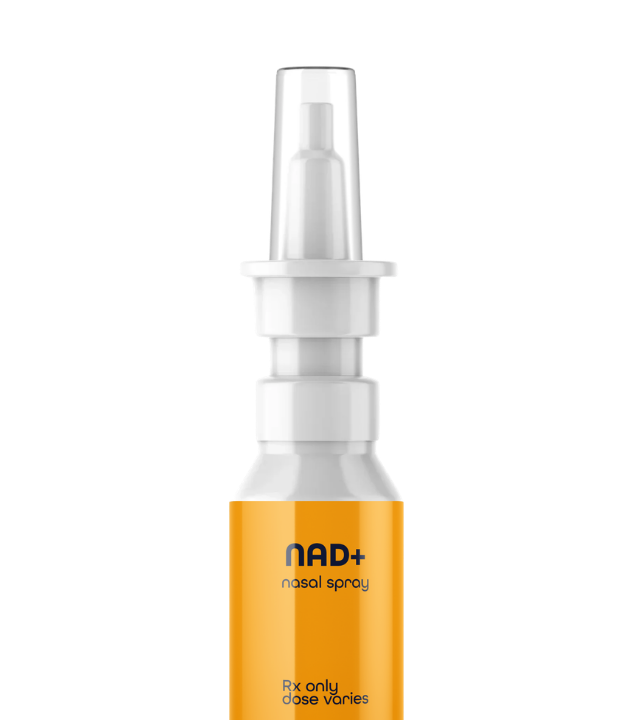
NAD+ Nasal Spray — Important Safety Information
1. Introduction
Nicotinamide Adenine Dinucleotide (NAD+) is a coenzyme found in every cell of the body, playing a key role in cellular metabolism, energy production, and other physiological processes. NAD+ nasal spray has not been evaluated or approved by the U.S. Food and Drug Administration (FDA) for safety, effectiveness, or quality.
2. Purpose & Potential Benefits
Some practitioners provide NAD+ nasal spray for potential support of energy levels, cognitive function, or general well-being. Evidence for these uses is primarily anecdotal or based on limited research. This product is not intended to diagnose, treat, cure, or prevent any disease.
3. Contraindications
You should not use NAD+ nasal spray if:
- You have a known allergy or hypersensitivity to NAD+ or any ingredient in the nasal spray formulation.
- You are pregnant, planning to become pregnant, or breastfeeding without first discussing with a qualified healthcare professional.
- You have severe or unstable medical conditions without medical supervision.
4. Warnings & Precautions
- Not FDA-Approved: Safety/efficacy for any particular condition is not established.
- Consult a Healthcare Professional: Inform your provider about your medical history, current medications, and supplements before starting.
- Pre-Existing Nasal or Sinus Conditions: Use with caution if you have chronic sinusitis, nasal polyps, or nasal/sinus abnormalities.
- Use in Specific Populations: Safety in children, pregnant or nursing mothers, or immunocompromised patients is not well established.
5. Potential Side Effects
- Nasal Irritation: Burning, itching, dryness, congestion, or sneezing. Discontinue if discomfort persists or worsens.
- Headache or Dizziness: If severe, stop use and seek medical advice.
- Nosebleeds (Epistaxis): Discontinue and consult your provider if frequent or severe.
- Allergic Reactions: Hives, itching, swelling, or difficulty breathing. Seek emergency care if anaphylaxis is suspected.
- Other Possible Effects: Fatigue, restlessness, or changes in mood. Report any unusual symptoms to your healthcare professional.
6. Drug Interactions
NAD+ may theoretically affect how other medications are metabolized. Tell your healthcare provider about all prescription, over-the-counter medications, vitamins, and herbal products you are taking. Avoid combining with other nasal sprays unless advised by a professional.
7. Administration & Dosage
- Typically administered via nasal applicator. Follow instructions provided by your pharmacist or healthcare provider.
- No standardized dosing guideline exists. Do not exceed the recommended dose without medical guidance.
- Technique: Gently blow your nose before use. Keep the bottle upright, insert the nozzle into one nostril, and administer the prescribed number of sprays while gently inhaling. Repeat in the other nostril if directed. Do not share nasal spray devices.
8. Storage & Handling
- Store at the temperature specified on the product label.
- Keep the spray nozzle clean. Wipe and recap after each use.
- Do not use beyond the expiration date. Discard if the solution changes color or appears cloudy.
9. Adverse Event Reporting
Report severe or unexpected reactions to the FDA MedWatch Program at 1-800-FDA-1088 or at www.fda.gov/medwatch.
10. Disclaimer
These statements have not been evaluated by the FDA. NAD+ nasal spray is not approved to diagnose, treat, cure, or prevent any disease. This information is for educational purposes only and should not replace professional medical advice. Individual results and experiences may vary.
Ozempic® (Semaglutide) Injection — Important Safety Information
Black Box Warning: Risk of Thyroid C-Cell Tumors
In studies with mice and rats, semaglutide (the active ingredient in Ozempic) caused thyroid tumors, including thyroid cancer. It is not known if Ozempic will cause thyroid tumors or medullary thyroid carcinoma (MTC) in people. Tell your provider if you get a lump or swelling in your neck, hoarseness, trouble swallowing, or shortness of breath. These may be symptoms of thyroid cancer.
Do not use Ozempic if you or any of your family have ever had MTC or if you have Multiple Endocrine Neoplasia syndrome type 2 (MEN 2).
FDA-Approved Use
Ozempic is a glucagon-like peptide-1 (GLP-1) receptor agonist used:
- With diet and exercise to improve glycemic control in patients with type 2 diabetes mellitus.
- To reduce the risk of major adverse cardiovascular events in patients with type 2 diabetes mellitus and established cardiovascular disease.
Limitations of Use: Ozempic has not been studied in patients with a history of pancreatitis. Ozempic is not for treatment of type 1 diabetes mellitus. Your provider may also recommend Ozempic for chronic weight management (obesity or overweight).
Who Should Not Use Ozempic
- You or any family member has a history of MTC or MEN 2.
- You have a known allergic reaction to semaglutide.
How to Administer Ozempic
Ozempic can be taken with or without food. The pre-filled injector pen is self-administered as a subcutaneous injection in the stomach, thigh, or upper arm once a week on the same day every week. Your provider will guide you on a treatment regimen that may include a dose increase every four weeks. Do not change your dosing regimen or stop taking Ozempic without discussing with your provider first.
What to Tell Your Provider Before Using Ozempic
Tell your provider all medications you are currently taking, including prescription, over-the-counter medications, vitamins, and herbal and dietary supplements. Medications to watch out for include:
- Insulin or sulfonylureas (e.g., Amaryl, Glucotrol XL)
- Other GLP-1 medications (e.g., Wegovy, Saxenda, Victoza, Byetta, or Bydureon)
- Other weight-loss products, including dietary supplements
Share your full medical history, including any history of type 1 or type 2 diabetes, thyroid cancer, pancreatitis, kidney disease, diabetic retinopathy, depression, or suicidal thoughts or behavior.
Tell your provider if you are pregnant, planning to become pregnant, or breastfeeding:
- If pregnant: Ozempic should not be used during pregnancy. There may be potential risks to an unborn baby.
- If planning pregnancy: Discontinue Ozempic at least 2 months before a planned pregnancy.
- If breastfeeding: Tell your provider before starting Ozempic.
Withholding or providing inaccurate information about your health and medical history to obtain treatment may result in harm, including in some cases, death.
Most Serious Side Effects
If you are experiencing a medical emergency, call 911 or seek immediate medical attention.
- Thyroid C-Cell Tumors: Tell your provider if you get a lump or swelling in your neck, hoarseness, trouble swallowing, or shortness of breath.
- Inflammation of the Pancreas (Acute Pancreatitis): Severe abdominal pain that does not go away, sometimes radiating to the back, with or without vomiting.
- Diabetic Retinopathy Complications: If you have type 2 diabetes, tell your provider right away if you experience changes in vision.
- Never Share a Pen: Pen-sharing poses a risk of infection.
- Low Blood Sugar (Hypoglycemia): Dizziness, blurred vision, mood changes, sweating, or fast heartbeat.
- Acute Kidney Injury: Drink plenty of water to reduce your chance of dehydration.
- Serious Allergic Reactions: Stop using Ozempic right away if you experience swelling of the face, lips, tongue, or throat; severe rash or itching; very rapid heartbeat; problems breathing or swallowing; or fainting or feeling dizzy.
- Acute Gallbladder Disease: Pain in your upper stomach, yellowing of skin or eyes (jaundice), fever, or clay-colored stools.
- Increase in Heart Rate: Tell your provider right away if you have a racing heartbeat while at rest.
- Suicidal Behavior and Ideation: Call your healthcare provider right away if you have any mental changes that are new, worse, or worry you.
Most Common Side Effects
- Nausea
- Vomiting
- Diarrhea
- Stomach pain
- Constipation
Report negative side effects of prescription products:Contact Novo Nordisk Inc. at 1-833-934-6891Contact FDA MedWatch at 1-800-FDA-1088 or visit www.fda.gov/medwatch
This information is not comprehensive. Please see the full Prescribing Information for complete safety information.
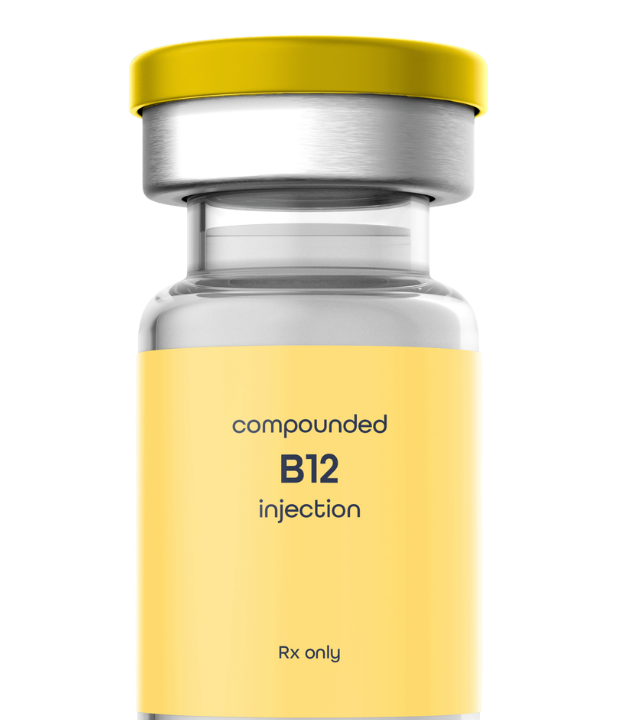
Methylcobalamin (Vitamin B12) Injection — Important Safety Information
1. Introduction
Methylcobalamin is a biologically active form of Vitamin B12. It is often prescribed or administered to individuals with Vitamin B12 deficiency, or for certain neurological and hematological conditions. In some cases, compounded forms of methylcobalamin have not been evaluated or approved by the FDA for all potential uses.
2. Potential Benefits & Uses
- Treating or preventing Vitamin B12 deficiency (e.g., pernicious anemia).
- Providing support for neurological health (e.g., peripheral neuropathy).
- Assisting with red blood cell formation and overall energy metabolism.
3. Contraindications
You should not receive methylcobalamin injections if:
- You have a known allergy or hypersensitivity to Vitamin B12, cobalt, or any ingredient in the formulation.
- You have Leber's disease (hereditary optic nerve atrophy), as high-dose B12 could potentially worsen the condition.
- You are pregnant or breastfeeding without first discussing risks and benefits with your healthcare provider.
4. Warnings & Precautions
- Not FDA-Approved for All Uses: Certain forms or dosages may be compounded and not specifically reviewed by the FDA.
- Consult a Healthcare Professional: Inform your provider about your medical history, including any allergies, kidney or liver disease, or blood disorders.
- Pre-Existing Conditions: Use caution with a history of hematological disorders; regular lab work may be required.
- Specific Populations: Safety in pregnant or nursing women has not been fully established for high-dose methylcobalamin. Pediatric use should be supervised by a qualified medical professional.
5. Potential Side Effects
- Injection Site Reactions: Redness, swelling, tenderness, or mild pain. Seek medical attention if signs of infection develop.
- Allergic Reactions: Itching, rash, hives, swelling of the face/lips/tongue, or difficulty breathing. Discontinue and seek emergency care.
- Gastrointestinal Symptoms: Nausea, diarrhea, or upset stomach. Report severe or persistent issues to your provider.
- Dizziness or Headache: If severe, stop use and consult a healthcare professional.
- Hypokalemia (Low Potassium): Very rarely, rapid improvement in anemia can cause potassium level shifts. Symptoms may include muscle weakness, irregular heartbeat, or confusion.
6. Drug Interactions
Metformin, proton pump inhibitors, and other drugs can affect or be affected by B12 status. Always inform your healthcare provider of all medications, vitamins, or herbal supplements you are taking.
7. Administration & Dosage
- Typically administered intramuscularly (IM) or subcutaneously (SQ) by a qualified healthcare professional.
- Dosage and frequency vary based on individual needs. Follow your provider's directions precisely.
- Periodic blood tests (e.g., serum B12 levels, complete blood counts) may be recommended.
8. Storage & Handling
- Store as indicated by your pharmacist or on the product label (often refrigerated or at controlled room temperature).
- Use only sterile, unexpired products. Do not reuse needles or syringes; dispose of them in approved sharps containers.
9. Adverse Event Reporting
Report suspected adverse reactions to the FDA MedWatch Program at 1-800-FDA-1088 or online at www.fda.gov/medwatch.
10. Disclaimer
These statements may not be reviewed by the FDA, and methylcobalamin injections are not FDA-approved to diagnose, treat, cure, or prevent any disease beyond recognized indications. This information is for educational purposes only and does not replace medical advice from a qualified healthcare provider. Treatment response and side effects may vary.
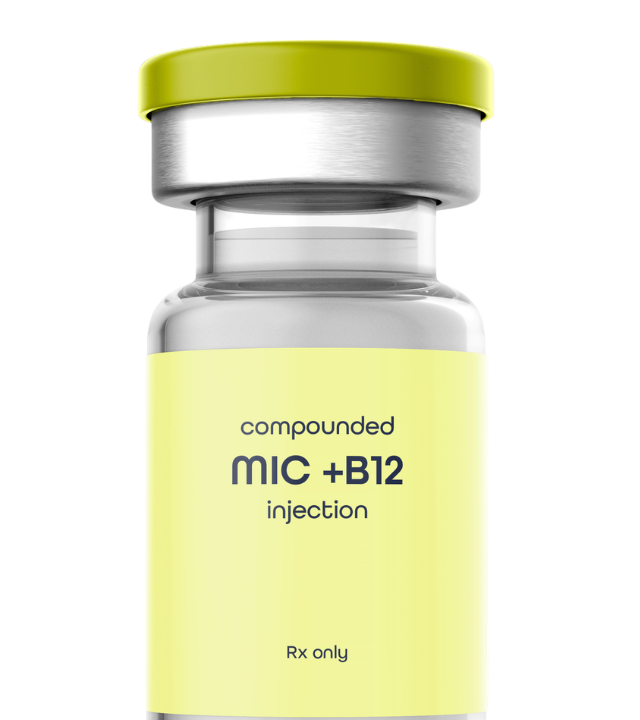
Lipotropic (MIC) & B12 Injection — Important Safety Information
1. Introduction
Lipotropic injections often contain a combination of Methionine, Inositol, and Choline (MIC). These components may support liver function, metabolism, and fat processing when used alongside a proper diet and exercise regimen. Vitamin B12 (commonly cyanocobalamin or methylcobalamin) is frequently added to support energy metabolism and red blood cell formation. Certain formulations of MIC and B12 injections may not be evaluated or approved by the FDA for weight loss or other off-label uses.
2. Potential Uses & Benefits
- Weight-Management Support: Sometimes used as an adjunct to lifestyle interventions (diet and exercise).
- Nutritional Support: B12 supplementation may help address or prevent deficiency, supporting energy levels and red blood cell production.
- Limitations: Not intended to diagnose, treat, cure, or prevent any disease. Efficacy for weight loss varies and has limited clinical trial data.
3. Contraindications
You should not receive MIC+B12 injections if you:
- Have a known allergy or hypersensitivity to any of the ingredients or their preservatives.
- Are pregnant, trying to conceive, or breastfeeding, unless your healthcare provider has deemed it safe.
- Have severe or unstable medical conditions (e.g., advanced liver or kidney disease) without consulting a qualified healthcare professional.
4. Warnings & Precautions
- Not FDA-Approved for Weight Loss: Lipotropic injections have not been formally evaluated or approved by the FDA for weight loss.
- Consult Your Healthcare Provider: Discuss your full medical history, including any chronic conditions, allergies, or autoimmune disorders.
- Pre-Existing Conditions: Use caution if you have a history of cardiovascular disease, diabetes, or hormone-related conditions.
- Pediatric or Geriatric Use: Safety and efficacy in children or the elderly have not been fully established for weight-management or off-label indications.
5. Potential Side Effects
- Injection Site Reactions: Redness, swelling, tenderness, or bruising. Seek medical attention if signs of infection develop.
- Gastrointestinal Discomfort: Nausea, upset stomach, or mild diarrhea.
- Allergic Reactions: Rash, itching, hives, swelling of the face or throat, or difficulty breathing. Discontinue and seek immediate medical help.
- Headache, Dizziness, or Fatigue: Stop use and consult your provider if severe or prolonged.
- Unusual Urine Odor: Methionine can sometimes cause a distinct odor in urine; generally not harmful, but discuss with your provider if concerning.
6. Drug Interactions
Lipotropic agents and high-dose B12 may interact with certain prescription drugs (e.g., levodopa, methotrexate) or other supplements. Always inform your healthcare provider of all medications, supplements, or herbal products you take.
7. Administration & Dosage
- Typically administered intramuscularly (IM) or subcutaneously (SQ) by a qualified healthcare professional.
- Dosage and frequency vary based on individual health status and goals. Do not exceed the recommended dose without medical guidance.
- Your provider may recommend periodic blood work (e.g., vitamin B12 levels, liver function tests).
8. Storage & Handling
- Refrigeration may be required for certain lipotropic formulations. Protect from direct sunlight or extreme temperatures.
- Use sterile, unexpired products. Do not reuse needles or syringes. Dispose of injection materials in approved sharps containers.
9. Adverse Event Reporting
Report suspected adverse reactions to the FDA MedWatch Program at 1-800-FDA-1088 or online at www.fda.gov/medwatch.
10. Disclaimer
These statements have not been evaluated by the FDA, and MIC+B12 injections are not approved to diagnose, treat, cure, or prevent any disease. This information is for educational purposes only. Responses to lipotropic injections vary; results are not guaranteed.
Mounjaro® (Tirzepatide) Injection — Important Safety Information
Black Box Warning: Risk of Thyroid C-Cell Tumors
Mounjaro® (tirzepatide) injection may cause thyroid tumors, including thyroid cancer. Watch for symptoms such as a lump or swelling in the neck, hoarseness, difficulty swallowing, or shortness of breath. Inform your healthcare provider immediately if any of these symptoms occur.
Do not use Mounjaro® if you or any family members have a history of medullary thyroid carcinoma (MTC) or Multiple Endocrine Neoplasia syndrome type 2 (MEN 2).
FDA-Approved Use
Mounjaro® (tirzepatide) is an injectable medication approved for adults with type 2 diabetes. It is used alongside diet and exercise to improve blood sugar (glucose) control. It is not known if Mounjaro® can be used in people with a history of pancreatitis. It is not approved for type 1 diabetes or for use in children under 18 years of age.
Who Should Not Use Mounjaro®
- You or a family member has a history of MTC or MEN 2.
- You are allergic to Mounjaro® or its ingredients.
How to Take Mounjaro®
Take Mounjaro® once weekly, on the same day each week, with or without food. Use the pre-filled injector pen as a subcutaneous injection in your stomach, thigh, or upper arm. Rotate injection sites weekly. Follow the dosing regimen provided by your provider, which may include dose increases every four weeks. Do not change or stop your prescribed regimen without consulting your provider.
If using oral birth control, switch to a non-oral method or use a barrier method for 4 weeks after starting or increasing your dose of Mounjaro®.
Most Serious Side Effects to Monitor For
- Thyroid C-Cell Tumors
- Severe Gastrointestinal Issues: Nausea, vomiting, or diarrhea that may worsen pre-existing conditions.
- Pancreatitis: Severe abdominal pain that may radiate to the back.
- Low Blood Sugar (Hypoglycemia): Dizziness, sweating, confusion, or rapid heartbeat.
- Allergic Reactions: Swelling, rash, or difficulty breathing.
- Kidney Problems: Dehydration may worsen kidney function.
- Gallbladder Issues: Abdominal pain, fever, jaundice, or unusual stools.
- Vision Changes: Particularly if you have diabetic retinopathy.
- Mental Health Changes: Report any suicidal thoughts or mood changes immediately.
Common Side Effects
- Nausea, vomiting, or diarrhea
- Constipation or indigestion
- Injection site reactions
- Tiredness
- Belching or heartburn
WeightMeds has no affiliation with Novo Nordisk, Eli Lilly, or Amylin Pharmaceuticals. Medications offered by WeightMeds are not manufactured by these companies. Trademarks such as Ozempic®, Wegovy®, and Mounjaro® are owned by their respective manufacturers.
Metformin (Off-Label Use for Anti-Aging & Weight Loss) — Important Safety Information
1. Introduction
Metformin is an oral medication primarily approved by the FDA for the management of type 2 diabetes mellitus. It helps improve blood glucose control by decreasing glucose production in the liver and increasing insulin sensitivity. Metformin has garnered interest as a potential agent for anti-aging and weight management, but it is not FDA-approved for these purposes. Efficacy and safety data for these off-label uses are still under investigation.
2. Potential Benefits & Limitations
- Anti-Aging (Off-Label): Some researchers hypothesize metformin may have protective effects on metabolic and cellular processes related to aging.
- Weight Management (Off-Label): Metformin can help reduce appetite or modestly aid weight reduction in certain individuals, especially those with insulin resistance.
- Limitations: There is no guarantee of anti-aging or weight-loss results. Metformin does not replace lifestyle interventions such as a healthy diet, regular exercise, and balanced sleep.
3. Contraindications
You should not take metformin if you:
- Have severe renal impairment or significantly reduced kidney function (e.g., eGFR below certain thresholds — consult your healthcare provider).
- Have a known hypersensitivity to metformin or its inactive ingredients.
- Have acute or chronic metabolic acidosis (including diabetic ketoacidosis).
- Are undergoing imaging studies with iodinated contrast (your provider may advise temporarily stopping metformin).
- Have any condition associated with hypoxemia or significantly compromised circulation (e.g., heart failure or recent myocardial infarction).
4. Black Box Warning: Lactic Acidosis
Black Box Warning
Metformin can cause lactic acidosis (a dangerous buildup of lactic acid in the blood). Although rare, it can be fatal. Risk factors include poorly functioning kidneys, excessive alcohol intake, severe dehydration or infections, and use of certain medications or conditions reducing tissue perfusion. Symptoms include rapid breathing, muscle pain, abdominal discomfort, unusual fatigue, dizziness, or feeling cold. Seek immediate medical attention if you suspect lactic acidosis.
5. Warnings & Precautions
- Off-Label Status: Metformin's benefits for anti-aging or weight loss are not confirmed by large-scale randomized trials. Use under medical supervision if considering for off-label purposes.
- Renal & Liver Function: Periodic kidney function checks (e.g., eGFR) are essential. Caution in patients with hepatic impairment.
- Vitamin B12 Deficiency: Long-term use may reduce vitamin B12 absorption. Periodic B12 monitoring and supplementation may be recommended.
- Hypoglycemia Risk: While metformin alone rarely causes hypoglycemia, risk increases when combined with other anti-diabetic agents (e.g., insulin, sulfonylureas).
- Pregnancy & Breastfeeding: Safety for anti-aging or weight-loss purposes is not established. Discuss with a qualified healthcare professional before use.
6. Common Side Effects
- Gastrointestinal Distress: Nausea, diarrhea, abdominal cramping, bloating, or gas. Taking metformin with meals can often help reduce GI side effects.
- Metallic Taste: A harmless yet noticeable metallic or bitter taste in the mouth.
- Weakness or Fatigue: May occur initially; consult your provider if persistent or severe.
- Vitamin B12 Deficiency: Can manifest as numbness, tingling in extremities, or fatigue over long-term use.
7. Drug Interactions
- Some drugs (e.g., diuretics, corticosteroids, antihypertensives, carbonic anhydrase inhibitors) can affect metformin's safety and effectiveness.
- Excessive alcohol consumption increases the risk of lactic acidosis and should be avoided or limited.
8. Administration & Dosage
- Doses vary based on clinical factors. Do not exceed the recommended dose without medical advice.
- Usually taken with meals to reduce GI discomfort. Extended-release forms (XR) may be taken once daily, often with the evening meal.
- Your healthcare provider may recommend periodic blood tests to monitor kidney function, vitamin B12 levels, and overall metabolic health.
9. Storage & Handling
- Store at room temperature away from moisture and direct sunlight.
- Keep out of reach of children and pets. Check expiration dates; do not use expired metformin.
10. Adverse Event Reporting
Stop taking metformin and seek immediate medical attention if you experience symptoms of lactic acidosis or a severe allergic reaction. Report suspected adverse reactions to the FDA MedWatch Program at 1-800-FDA-1088 or online at www.fda.gov/medwatch.
11. Disclaimer
Metformin's use for anti-aging or weight-loss support is not FDA-approved, and scientific consensus on these off-label benefits is still evolving. Metformin is not a replacement for a healthy diet, regular exercise, and routine health monitoring. This information is for educational purposes only and is not a substitute for professional medical advice.
Compounded Liraglutide
Compounded medications may be prescribed by physicians but have not been FDA regulated for safety, effectiveness, or quality. FDA-approved medicines containing liraglutide are available.
⚠ WARNING — Contact your doctor ASAP and seek in-person care immediately if a side effect becomes problematic or you experience any of the following:
- Severe nausea and/or vomiting resulting in dehydration — stay well hydrated and drink plenty of fluids.
- Kidney problems/kidney failure — vomiting, nausea, or diarrhea can cause dehydration and worsen kidney issues; may sometimes lead to the need for hemodialysis.
- Thyroid C-Cell Tumor: Trouble swallowing, hoarseness, a lump or swelling in your neck, or shortness of breath (see Black Box Warning below).
- Pancreatitis: Severe, persistent pain in your abdomen or back that does not go away.
- Acute gallbladder disease: Pain in the middle or upper right stomach, fever, yellowing of the skin or eyes (jaundice), nausea or vomiting.
- Hepatitis/Elevated liver enzymes/Jaundice.
- Diabetic retinopathy complications: Changes in vision, especially for individuals with a history of diabetic retinopathy.
- Severe gastrointestinal disease: Do not use if you have a history of severe gastrointestinal disorders such as gastroparesis.
- Signs of low blood sugar (e.g., dizziness, shakiness, jitteriness, weakness, headache, mood changes, rapid heartbeat, confusion, slurred speech, sweating, or lightheadedness). Consume sugar-containing foods or beverages (15–20 grams) if symptoms occur. Discuss dose adjustments with your provider if using insulin or insulin secretagogues.
- Increased heart rate.
- Worsening depression, behavior changes, or suicidal thoughts.
Never share liraglutide with other people.
Drug Interactions
- Risk of hypoglycemia increases when used with insulin or insulin secretagogues (e.g., sulfonylureas).
- Delayed gastric emptying can alter the absorption of oral medications.
- If taking thyroid medications (e.g., levothyroxine), discuss timing with your prescribing provider, as adjustments may be needed.
- For medications with a narrow therapeutic window (e.g., warfarin), monitor drug levels closely while taking liraglutide.
To report suspected adverse reactions to compounded liraglutide, contact the FDA at 1-800-FDA-1088 or visit www.fda.gov/medwatch.In case of emergencies, call 911 or go to the nearest emergency room.
Black Box Warning
GLP-1 receptor agonists are contraindicated in individuals with:
- A history of medullary thyroid carcinoma (MTC),
- A family history of MTC, or
- Multiple endocrine neoplasia syndrome type 2 (MEN2).
Do not take liraglutide if you have ever had thyroid cancer. In rodent studies, GLP-1 receptor agonists caused thyroid tumors, including thyroid cancer; it is not known if liraglutide will cause thyroid tumors or cancers in humans.
Notify your doctor ASAP if you develop: trouble swallowing, hoarseness, a lump or swelling in your neck, or shortness of breath.
Additional Important Safety Information
- If you experience a medical emergency, call 911 or go to the nearest emergency room.
- Tell your healthcare provider about your medical history before starting liraglutide.
- Avoid alcohol while taking this medication.
- Use effective contraception during treatment. Do not take if pregnant, planning to become pregnant, or breastfeeding.
- If planning pregnancy, stop liraglutide at least 2 months prior to trying to conceive. This medication may cause fetal harm.
- Notify your doctor if you have kidney, liver, or pancreas problems.
- Stop using liraglutide and call your healthcare provider immediately if you have severe stomach or abdominal pain that does not go away, with or without vomiting.
- Stop using liraglutide and seek immediate medical help if signs of a serious allergic reaction occur (e.g., swelling of face, lips, tongue, or throat; breathing difficulties; severe rash or itching; fainting; or rapid heartbeat). Anaphylaxis and angioedema have been reported.
The above statements have not been evaluated by the Food and Drug Administration. This product is not intended to diagnose, treat, cure, or prevent any disease.
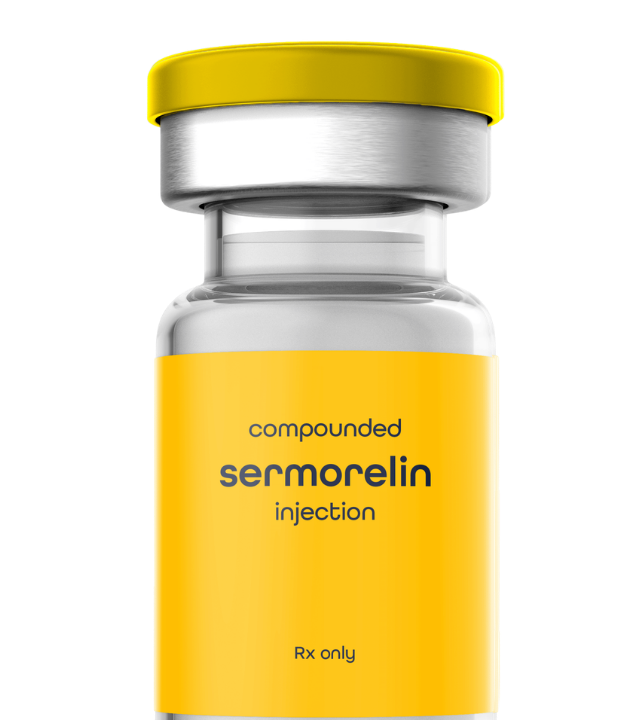
Sermorelin — Important Safety Information
1. Introduction
Sermorelin is a synthetic peptide analog of growth hormone–releasing hormone (GHRH). It works by stimulating the pituitary gland to produce and secrete natural growth hormone (GH). Sermorelin may be prescribed or compounded by certain healthcare providers but may not be approved by the FDA for all uses.
2. Potential Benefits & Indications
Some practitioners use sermorelin to help address growth hormone deficiencies, promote lean body mass, support energy levels, or assist with certain aspects of aging. The efficacy for anti-aging or athletic performance enhancement is not conclusively established in large-scale clinical trials.
3. Contraindications
You should not use sermorelin if you:
- Have an active malignancy, especially related to the pituitary gland or hypothalamus.
- Have a known hypersensitivity or allergy to sermorelin or any of its components.
- Are pregnant, planning to become pregnant, or breastfeeding, unless advised otherwise by a qualified healthcare professional.
- Have severe or unstable medical conditions without close medical supervision.
4. Warnings & Precautions
- Not FDA-Approved for All Uses: Its safety and efficacy for off-label uses are not fully evaluated by the FDA.
- Consult a Healthcare Professional: Provide your full medical history and disclose all medications and supplements before starting sermorelin.
- Pre-Existing Conditions: If you have diabetes, thyroid disorders, or any endocrine-related condition, careful monitoring may be needed.
- Specific Populations: The safety of sermorelin in children, pregnant women, or nursing mothers has not been thoroughly established outside of specific medical indications.
5. Potential Side Effects
- Injection Site Reactions: Redness, pain, swelling, or itching. Seek medical attention if signs of infection occur.
- Flushing or Headaches: If headaches are persistent or severe, discontinue use and consult your provider.
- Nausea or Dizziness: Discontinue and speak with a healthcare provider if these symptoms worsen or persist.
- Increased Hunger: A change in appetite or mild GI discomfort may be noticed.
- Allergic Reactions: Rash, hives, swelling of the face, lips, tongue, or throat, or difficulty breathing. Seek immediate medical care if anaphylaxis is suspected.
6. Drug Interactions
Sermorelin may interact with medications that influence the endocrine system, glucose metabolism, or other peptides/hormones. Always inform your healthcare provider about all prescription, over-the-counter medications, and supplements you use.
7. Administration & Dosage
- Typically administered as a subcutaneous (under the skin) injection.
- Dosage and frequency vary based on age, body weight, and treatment goals. Do not exceed prescribed dosage without consulting your provider.
- Your provider may advise specific timing (e.g., bedtime) to optimize the natural growth hormone cycle.
8. Monitoring & Follow-up
- Your provider may recommend periodic blood tests (e.g., IGF-1 levels) to monitor hormone levels and treatment response.
- Regular check-ups may be necessary to track weight, body composition, or other health indicators.
9. Storage & Handling
- Store according to the temperature guidelines on the label or from your pharmacist (often refrigerated).
- Do not use beyond the expiration date. Keep out of reach of children. Never reuse needles or syringes; follow proper disposal instructions.
10. Adverse Event Reporting
Report suspected adverse reactions to the FDA MedWatch Program at 1-800-FDA-1088 or via www.fda.gov/medwatch.
11. Disclaimer
These statements have not been evaluated by the Food and Drug Administration, and sermorelin is not FDA-approved to diagnose, treat, cure, or prevent any condition outside of recognized uses. This information is for educational purposes only and should not replace professional medical advice. Responses to sermorelin may vary.
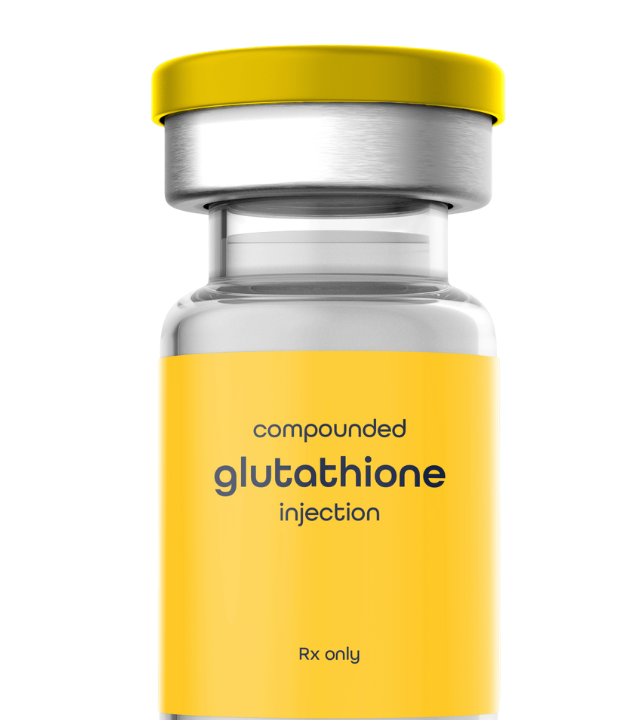
Glutathione Injection — Important Safety Information
1. Introduction
Glutathione is a tripeptide (made from glutamate, cysteine, and glycine) naturally present in cells, where it plays a key role in antioxidant defense and various metabolic processes. Glutathione injections are not evaluated or approved by the FDA for specific medical indications, dosage, safety, or effectiveness.
2. Potential Benefits & Limitations
Some practitioners may use glutathione injections for antioxidant support, skin health, or general wellness. The benefits are based on limited studies and anecdotal reports. Glutathione injections are not intended to diagnose, treat, cure, or prevent any disease.
3. Contraindications
You should not receive glutathione injections if you:
- Have a known allergy or hypersensitivity to glutathione or any component in the formulation.
- Are pregnant, planning to become pregnant, or breastfeeding without discussing potential risks and benefits with a qualified healthcare professional.
- Have serious or unstable medical conditions without close medical supervision.
4. Warnings & Precautions
- Not FDA-Approved: Safety or efficacy for specific indications is not established.
- Consult a Healthcare Professional: Discuss your entire medical history, current medications, and supplements before starting.
- Use in Specific Populations: Safety in children, pregnant women, breastfeeding mothers, or immunocompromised patients is unknown.
- Allergies or Sensitivities: Disclose any history of allergies or adverse reactions to medications administered via injection.
5. Potential Side Effects
- Injection Site Reactions: Redness, swelling, pain, or bruising. Consult your provider if infection-like symptoms occur.
- Allergic Reactions: Itching, rash, hives, shortness of breath, or swelling of the face, lips, tongue, or throat. Seek immediate medical attention if anaphylaxis is suspected.
- Nausea or Gastrointestinal Distress: Mild nausea, stomach upset, or diarrhea.
- Headache or Lightheadedness: If severe, contact your healthcare provider.
- Other Possible Effects: Changes in skin pigmentation, dizziness, fatigue, or other unanticipated symptoms. Discontinue and consult a professional if concerning.
6. Drug Interactions
Glutathione may theoretically interact with certain prescription or over-the-counter medications, vitamins, or herbal products, especially those affecting oxidation-reduction or detoxification pathways. Inform your healthcare provider of all medications and supplements you take.
7. Administration & Dosage
- Typically given subcutaneously (SUB-Q) or intramuscularly (IM) under appropriate medical supervision.
- There is no universally accepted standard dosing protocol. Your healthcare provider will determine dosage and frequency based on your health status and treatment goals.
- Your provider may recommend regular lab tests (e.g., liver function, kidney function) to monitor safety and effectiveness.
8. Storage & Handling
- Store as indicated on the label or as instructed by your pharmacist (often in a refrigerator, protected from direct sunlight).
- Ensure vials or ampules are used in a sterile manner. Never reuse syringes or needles.
- Do not use beyond the expiration date. Inspect for discoloration or particulate matter before each use; discard if present.
9. Adverse Event Reporting
Report suspected adverse reactions to the FDA MedWatch Program at 1-800-FDA-1088 or online at www.fda.gov/medwatch.
10. Disclaimer
These statements have not been evaluated by the Food and Drug Administration. Glutathione injections are not FDA-approved to diagnose, treat, cure, or prevent any disease. This information is for educational purposes only and does not replace professional medical advice. Individual responses and results may vary.
Glutathione Nasal Spray — Important Safety Information
1. Introduction
Glutathione is a tripeptide composed of glutamate, cysteine, and glycine, playing a crucial role in antioxidant defense and various metabolic processes. Glutathione nasal spray is not evaluated or approved by the FDA for safety, effectiveness, or specific medical indications.
2. Purpose & Potential Benefits
Some practitioners may recommend glutathione nasal spray as a supplemental antioxidant therapy or for sinus/nasal health support. Current data on efficacy is limited. This product is not intended to diagnose, treat, cure, or prevent any disease.
3. Contraindications
Avoid using glutathione nasal spray if you:
- Have a known allergy or hypersensitivity to glutathione or any ingredient in the nasal spray formulation.
- Are pregnant, planning to become pregnant, or breastfeeding without first consulting a qualified healthcare professional.
- Have severe or unstable medical conditions without medical supervision.
4. Warnings & Precautions
- Not FDA-Approved: Effectiveness and safety for any particular indication are not well established.
- Consult a Healthcare Professional: Inform your provider of your entire medical history, current medications, and supplements before starting.
- Nasal or Respiratory Conditions: Use caution if you have chronic sinusitis, nasal polyps, or other respiratory conditions. Discontinue use and seek medical advice if symptoms worsen.
- Specific Populations: Safety in children, pregnant/nursing women, and immunocompromised individuals is not established.
5. Potential Side Effects
- Nasal Irritation: Burning, itching, dryness, or sneezing. Discontinue if irritation becomes severe.
- Headache or Dizziness: Seek medical attention if severe or prolonged.
- Nosebleeds (Epistaxis): Discontinue and consult your provider if frequent or severe.
- Allergic Reactions: Hives, rash, swelling of the face, lips, tongue, or throat; difficulty breathing. Seek emergency medical help if anaphylaxis is suspected.
- Other Potential Reactions: Altered taste, mild fatigue, or unexpected nasal discharge. Report any unusual or concerning symptoms to your healthcare professional.
6. Drug Interactions
Glutathione may theoretically interact with certain medications or supplements that affect oxidative stress or metabolic pathways. Always inform your healthcare provider about all medications, herbal products, and dietary supplements you are taking.
7. Administration & Dosage
- Typically administered via nasal applicator. Follow specific instructions provided by your pharmacist or healthcare provider.
- No standardized dosing protocol exists. Do not exceed the recommended dose without medical guidance.
- Technique: Gently blow your nose before each application. Keep the bottle upright; insert the nozzle into one nostril and administer the prescribed number of sprays while breathing in gently. Repeat in the other nostril if directed. Do not share nasal spray devices.
8. Storage & Handling
- Store at the temperature recommended on the product label or by your pharmacist (often refrigerated).
- Keep the spray nozzle clean. Wipe and recap after each use.
- Do not use beyond the expiration date. Discard if the solution appears discolored or cloudy.
9. Adverse Event Reporting
Report adverse reactions to the FDA MedWatch Program at 1-800-FDA-1088 or online at www.fda.gov/medwatch.
10. Disclaimer
These statements have not been evaluated by the FDA. Glutathione nasal spray is not approved to diagnose, treat, cure, or prevent any disease. This information is for educational purposes only and does not replace professional medical advice. Individual results and experiences may vary.