.png)


.png)
.png)




%20(1).png)
How Hormone Therapy Supports Long-Term Health for Women
.png)
Beyond Symptom Relief: The Bigger Picture of Hormone Therapy
Hormone Replacement Therapy (HRT) is often associated with relief from symptoms like hot flashes, night sweats, and mood changes. While these benefits are important, they’re only part of the story.
Hormones play a vital role in long-term health. As levels decline during perimenopause and menopause, the effects can extend beyond how you feel day to day—impacting how your body functions over time.
HRT is designed not only to restore balance but also to support overall health as you age.
Hormones and Long-Term Health: What Changes Over Time
As estrogen and progesterone levels decline, several systems in the body can be affected:
- Bone density begins to decrease
- Metabolism may slow down
- Cardiovascular health can shift
- Sleep quality may decline
- Cognitive clarity can be impacted
These changes are natural—but understanding them allows you to take a more proactive approach to your health.
1. Supporting Bone Health and Strength
Estrogen plays a key role in maintaining bone density. As levels decrease, the risk of bone loss and conditions like osteoporosis increases.
HRT may help:
- Maintain bone density
- Reduce the risk of fractures
- Support overall skeletal strength
This is especially important as women age, when bone health becomes a long-term priority.
2. Cardiovascular Health and Circulation
Hormonal changes can influence heart health, including cholesterol levels and blood vessel function.
When appropriately prescribed, HRT may support:
- Healthy blood flow
- Balanced cholesterol levels
- Overall cardiovascular function
Maintaining heart health becomes increasingly important during and after menopause.
3. Brain Health and Cognitive Function
Many women report experiencing “brain fog” or memory changes during hormonal transitions.
Hormones play a role in brain function, and balanced levels may support:
- Mental clarity and focus
- Memory retention
- Overall cognitive performance
While research is ongoing, maintaining hormonal balance may contribute to long-term brain health.
4. Metabolism and Body Composition
Hormonal shifts can make it more difficult to maintain muscle mass and manage body weight.
HRT, combined with healthy lifestyle habits, may help:
- Support lean muscle mass
- Improve energy utilization
- Promote a more stable metabolism
This can contribute to improved strength and overall physical health over time.
5. Sleep Quality and Recovery
Sleep disturbances are common during perimenopause and menopause, often due to hormonal fluctuations.
By helping regulate hormone levels, HRT may:
- Improve sleep quality
- Reduce night awakenings
- Support better recovery and daily energy
Consistent sleep is a key pillar of long-term health.
6. Quality of Life and Daily Function
Long-term health isn’t just about preventing conditions—it’s about maintaining how you feel and function every day.
Many women find that HRT supports:
- More stable mood
- Improved energy levels
- Greater overall sense of well-being
Feeling better day to day often leads to healthier habits and better long-term outcomes.
Is HRT Right for Everyone?
HRT is not a one-size-fits-all solution. The decision to begin therapy should be based on:
- Individual symptoms
- Medical history
- Risk factors
- Personal health goals
Working with a qualified provider ensures that treatment is personalized and appropriate for your needs.
Lifestyle Still Matters
While HRT can be a valuable tool, it works best when combined with healthy habits:
- Balanced nutrition
- Regular exercise
- Stress management
- Quality sleep
These factors work together to support both short-term results and long-term health.
Final Thoughts
Hormone therapy is about more than managing symptoms—it’s about supporting your health as you move through different stages of life.
By understanding the broader impact of hormonal changes, you can take a more proactive and informed approach to your well-being.
A Simple Next Step
If you’re thinking about how to support your long-term health, understanding your hormone levels is a great place to start.
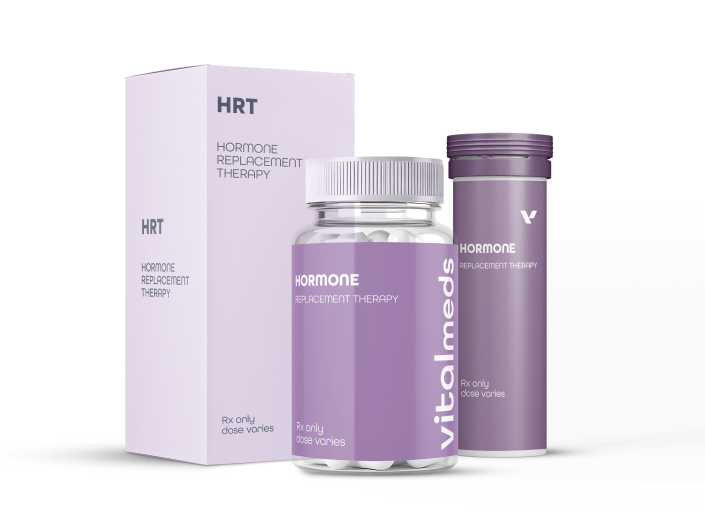
VitalMeds offers a convenient, private way to connect with licensed providers and explore whether hormone therapy may be right for you—on your schedule.
Disclaimer
This article is for informational purposes only and is not a substitute for professional medical advice. Always consult a licensed healthcare provider before starting any new treatment.
.png)