
.png)


.png)
.png)



%20(1).png)
Testosterone Replacement Therapy (TRT): Benefits, Symptoms of Low T, and How Treatment Works
.png)
What Is Testosterone Replacement Therapy (TRT)?
Testosterone Replacement Therapy (TRT) is a medically guided treatment used to restore testosterone levels in men with clinically low levels (Low T). Testosterone is a critical hormone that supports energy, muscle mass, mood, libido, and overall performance.
As men age, testosterone levels naturally decline. However, when levels drop too low, it can lead to noticeable symptoms that impact both physical and mental well-being.
Common Symptoms of Low Testosterone (Low T)
Low testosterone can present in several ways. Some of the most common symptoms include:
- Low energy or persistent fatigue
- Reduced muscle mass and strength
- Increased body fat
- Low libido or decreased sexual performance
- Mood changes, irritability, or lack of motivation
- Brain fog or difficulty concentrating
If you’re experiencing a combination of these symptoms, it may be worth evaluating your testosterone levels through lab testing.
How Testosterone Therapy Works
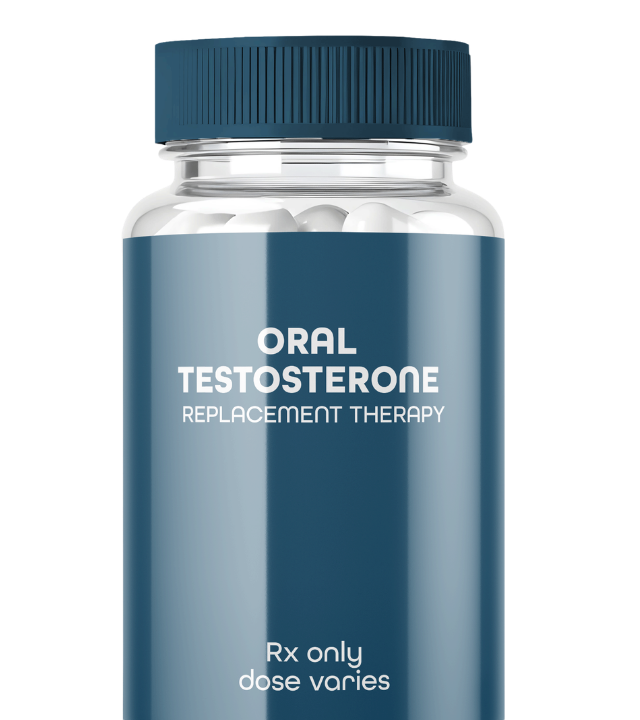
Testosterone therapy works by restoring hormone levels to a healthy, balanced range. TRT is typically prescribed and monitored by a licensed healthcare provider to ensure safety and effectiveness.
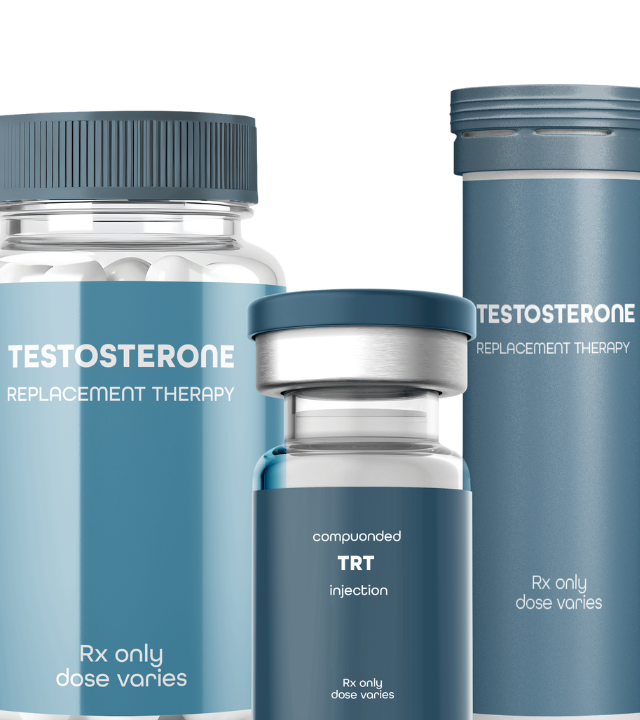
Common forms of TRT include:
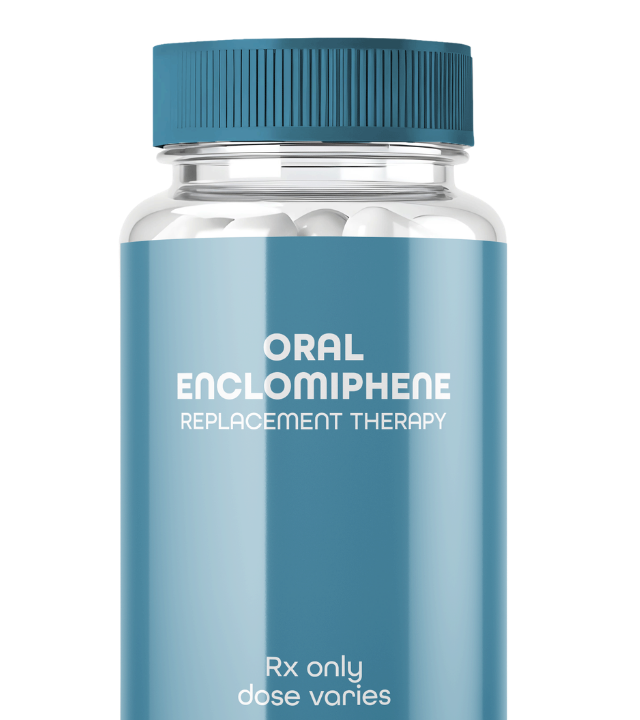
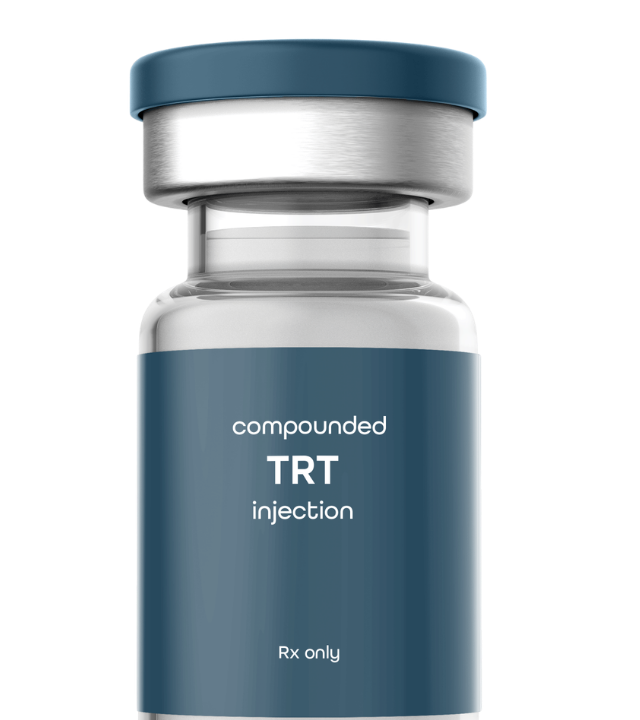
- Testosterone injections
- Topical gels or creams
- Skin patches
Treatment plans are individualized based on your lab results, symptoms, and overall health profile. The goal is to optimize—not exceed—natural testosterone levels.
Benefits of TRT
When testosterone levels are restored, many men experience meaningful improvements in both physical and mental performance.
Key TRT benefits may include:
- Increased energy and reduced fatigue
- Improved focus and mental clarity
- Enhanced muscle growth and strength
- Better workout performance and recovery
- Increased libido and confidence
- More stable mood and motivation
Results can begin within a few weeks, with continued improvements over several months.
Who Should Consider TRT?
TRT may be appropriate for men who:
- Have confirmed low testosterone levels through lab testing
- Are experiencing symptoms that affect daily life
- Have been evaluated by a licensed medical provider
Because symptoms of Low T can overlap with other conditions, a proper medical evaluation is essential before starting treatment.
Important Considerations Before Starting TRT
Before beginning testosterone therapy, it’s important to understand:
- TRT should always be medically supervised
- Ongoing monitoring helps ensure optimal results and safety
- Lifestyle factors (sleep, nutrition, exercise) play a major role
- TRT is often a long-term treatment approach
Working with a qualified provider ensures your treatment stays safe, effective, and aligned with your goals.
Final Thoughts
Low testosterone can affect more than just energy—it can impact how you feel, perform, and show up in everyday life. The good news is that TRT offers a medically supported path to restoring balance and improving overall well-being.
If you’ve been dealing with symptoms of Low T, understanding your options is the first step toward feeling like yourself again.
A Simple Way to Get Started
If you’re curious about your testosterone levels, you can start with a simple online consultation through VitalMeds. A licensed provider will review your symptoms and determine if testosterone therapy may be appropriate for you.
It’s a straightforward, private way to explore your options—without disrupting your routine.
Disclaimer
This article is for informational purposes only and is not a substitute for professional medical advice. Always consult a licensed healthcare provider before starting any new treatment.
.png)
.png)